This summer at NextGen 2026, three students brought something special to the classroom. Eta Maria, Leor Mutere and Angel Sasaka travelled from Kenya to Hong Kong, joining NextGen for the first time and sitting alongside peers from different countries and cultural backgrounds. From leadership and communication to Art + AI for social good, social issues and project design, they gradually began to understand one another — and the world — in new ways.
When asked what felt most different between Hong Kong and Kenya, Eta first spoke about education. She found Hong Kong’s education system more structured and rigorous, with differences in everything from year-group terminology and curricula to approaches to learning. These may seem like small differences between education systems, but they made something much larger suddenly visible: young people of the same age can grow up with remarkably different experiences.
Some study under different curricula. Some grow up in different language environments. Some are accustomed to traditional classrooms, while others are more familiar with open discussion. Yet when they sat around the same table to discuss a social issue and work together on a philanthropy project, those differences did not become walls between them. Instead, they became windows into one another’s worlds.
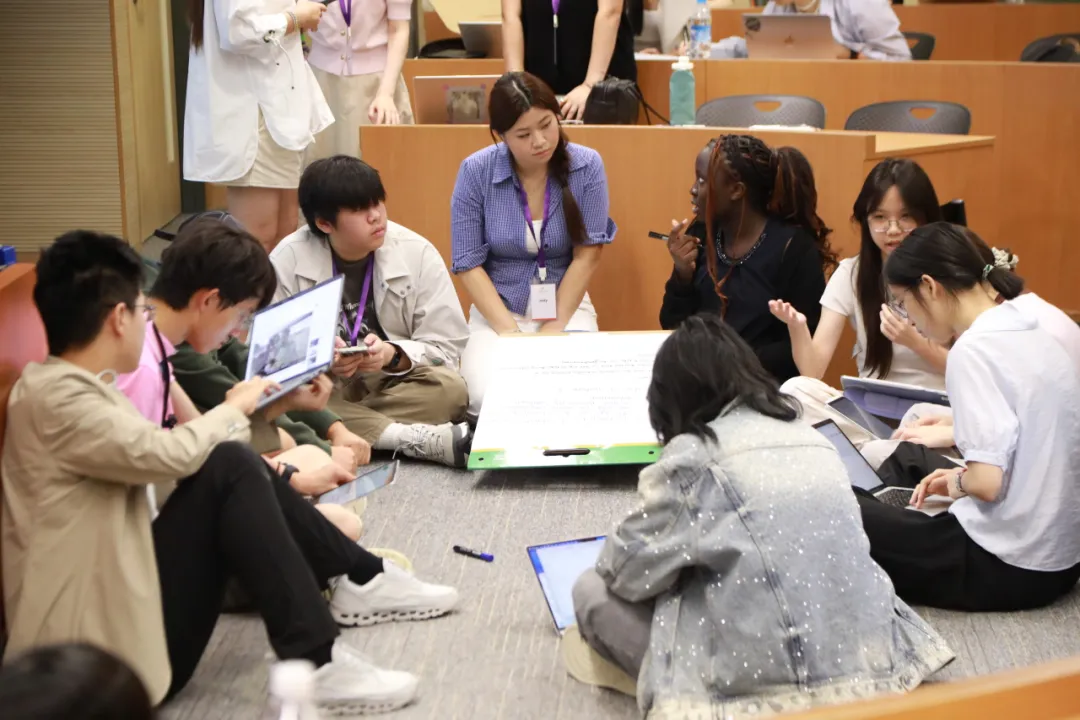
We often say that we want young people to develop a “global perspective”. But perhaps a truly global perspective is not about how many places you have visited. It is about encountering difference and still choosing to understand it. For Eta, discovering Hong Kong continued beyond the classroom. Visits to galleries, monasteries and restaurants introduced her to different sides of the city, while Ocean Park and the pottery class were among her favourite parts of the learning journey. She also remembers the friends she made and the kindness of the teaching assistants she met. Looking back, she says she treasured every moment in Hong Kong and is grateful to NextGen for giving her and her friends the opportunity to take part.
After several days at NextGen, this shift also began to appear in the way they thought about leadership. Leor remembered learning about the distinction between a leader and a manager. He began to see that a strong team is not built around one person giving instructions, but around different people working together to create results. Eta was particularly struck by the sessions on communication. She reflected that people do not all communicate in the same way, and that a leader must learn to adjust their tone and way of expressing themselves accordingly. It is a simple observation, but one that touches on something essential about leadership.
True communication is not simply about making yourself heard. It is about helping people who are different from one another understand each other.
When young people from different cultures, languages and life experiences work together on the same project, they are learning far more than “how to speak well”. They are learning how to listen, how to understand, and how to find a shared way forward despite their differences.
Angel’s understanding of philanthropy also changed during those few days. Before coming to NextGen, she thought philanthropy was essentially “rich people giving money to help others”. But over the course of the programme, she began to see that philanthropy is not only about giving. It can also be an act of service, a form of collaboration, and something that everyone can take part in to create change in their community. From “giving” to “participating”; from “helping others” to “creating change with others” — perhaps this is one of the most meaningful shifts that philanthropy education can inspire.
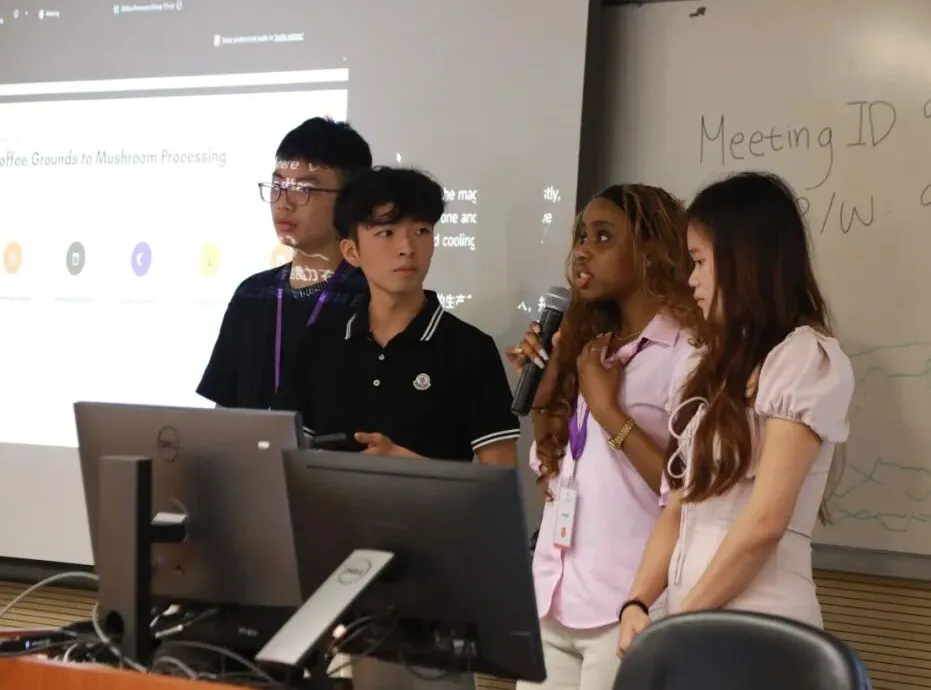
When a fifteen-year-old begins to realise that there is something they can do for their community, they are no longer simply on the receiving end of change. They begin to become an active part of it. And this is exactly the kind of next generation of changemakers that NextGen hopes to nurture.
Looking back, perhaps what these five days truly left with the students was not one standard answer, but the discovery that the world has room for many different answers.
The students from Kenya brought with them their own culture and life experiences. Young people from other places brought their own ways of seeing and understanding the world. They arrived as different seeds — and, for a few days, found themselves growing in the same soil. This is also what the Good Soil Foundation has always believed.
Truly fertile soil does not make every seed grow into the same shape. It gives each seed the space to grow, while also giving them the chance to encounter and learn from one another.
We cannot decide what a seed will eventually become. What we can do is create soil that is open and inclusive enough for young people from different places to meet, exchange ideas, understand one another, and find the strength to keep growing.
Years from now, they may find themselves in very different parts of the world. Some may become scientists, entrepreneurs or artists; others may continue working in philanthropy.
They may not remember exactly what was said in a particular class. But if they continue to approach people who are different from them with a willingness to understand; if, when they encounter a social problem, they still find themselves asking, “What can I do?” — then this summer will already have left behind something that matters.
Because what is truly worth nurturing is never just one child. It is a world that can make room for difference, understand one another, and choose to create change together.