On Day 4 of the 2026 NextGen Camp, the final pitch event is scheduled for the next day. Three student mentors from Nanyang Technological University, Singapore — Delfina, Jia Le and Louise — sat down with Teaching Assistant Mohammad to talk about their experiences over the past few days. They came as guides, bringing startup and project‑management experience to support teenage camp participants through hands‑on practice. Yet, in this cross‑age, cross‑cultural encounter, they gained unexpected personal growth of their own.
When speaking about the highlights of the week, Delfina shared with a smile that her most precious takeaway was the friendships she had made along the way. She had never before had the chance for in‑depth exchanges with high‑school students from Hong Kong and China. She even met a new friend from Canada in Shanghai. As university students, they rarely get to engage closely with young people aged 14‑20. Breaking down language barriers and hearing teenagers discuss social issues they care about with fearless vigour brought her refreshing, eye‑opening perspectives.
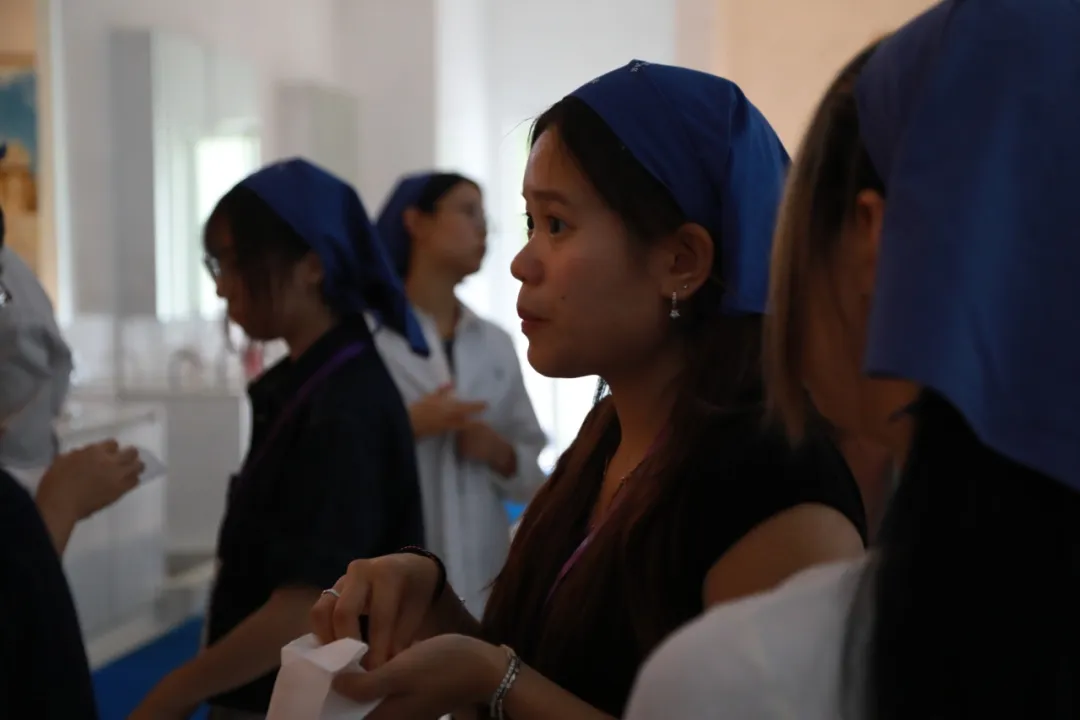
Louise, visiting Hong Kong for the first time, was most impressed by the museum site visits. Seeing local artists weave social reflections into their creative works struck her deeply. Even the youngest camp participant, only 14 years old, showed genuine passion for solving real‑world social problems. This pure enthusiasm was deeply inspiring in itself.
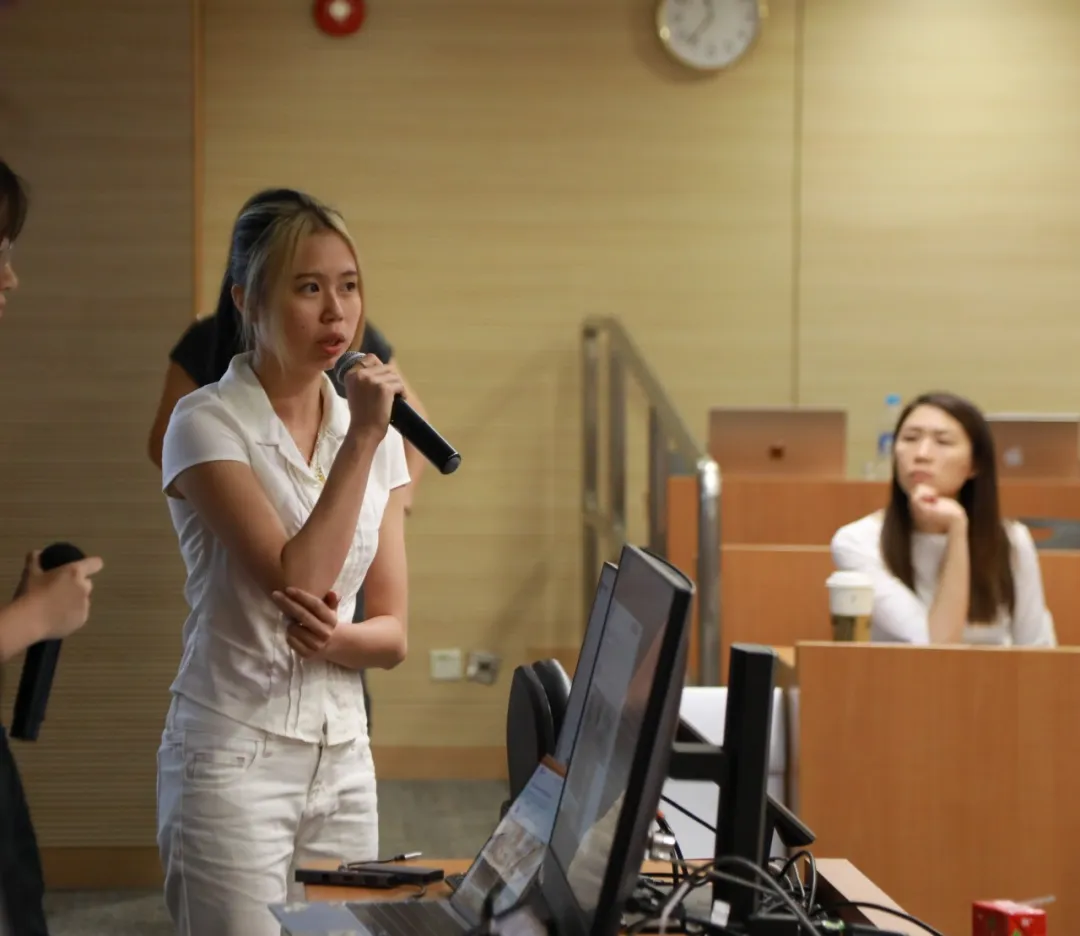
Jia Le remarked: “People often assume five days is too short to build something meaningful. But time is just a container; what matters is the clarity and conviction you bring into the room.” From visiting the Sikh Temple to exploring M+ and the HKU Museum, the programme grounded us deeply in local culture and the creative arts. A particularly eye-opening experience was studying The Hong Kong Jockey Club’s philanthropic model. Seeing institutional revenue channeled into billions for public welfare was a masterclass in scale, but it also prompted us to think critically about the limitations of perpetual grant dependency. “Empathy points you toward the problem, but deeply understanding the people living it and building directly from their reality is where a real solution actually begins.”
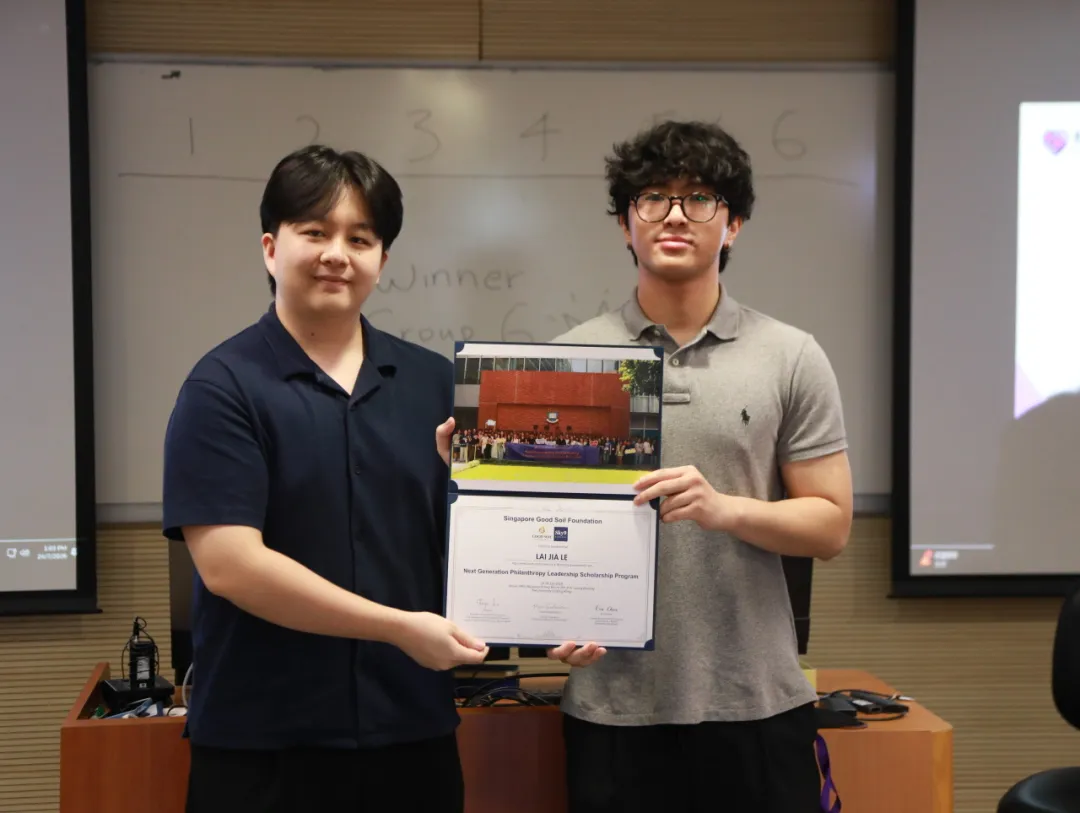
All three mentors have hands‑on startup experience. Reflecting on their week, Delfina noted that she had, in fact, learned valuable lessons from the teenage campers. As university students, they are conditioned to finalise complete, polished plans before execution. Watching the teenagers, however — brimming with passion, forming teams and jumping straight into prototyping as soon as ideas emerge — this unburdened, energetic mindset gave her fresh inspiration.
This week completely reshaped their prior understanding of philanthropy. Jia Le once viewed philanthropy chiefly as top‑down funding support, assuming little could be achieved without seed capital. She came to realise that philanthropy’s heart lies in human passion, which is what gives birth to the social enterprises and movements the world needs.
Louise explained that in Singapore, philanthropy is commonly understood simply as joining established organisations to volunteer. This experience showed her that students are not limited to volunteer execution roles. They can build their own philanthropic teams, leverage creativity and ideas, and collaborate with diverse groups to generate impact on their own terms.